
MultiPulse™ High-Pressure Impulse Generator
The system releases a sequence of high-pressure air bursts that create a shock wave followed by high-velocity airflow to loosen and remove buildup in storage vessels and fouled process areas.
Helps prevent and remove:
- Ash Buildup
- Slag And Fouling Deposits
- Tube-bank Accumulation
- Hopper And Pass Plugging
- Gas-path Restrictions
- Deposit-related Heat-transfer Loss
- Bridging
- Rat-holing
- Arching
- Wall Buildup
- Poor Discharge And Flow
- Interruptions
Hybrid MultiPulse™ High-Pressure Impulse Generator
The system releases a sequence of high-pressure air bursts combined with a portion of water to produce a highly effective cleaning spray for hard build-up removal in hot process zones
Helps prevent and remove:
Hard Buildup In Hot Process Zones Like Preheaters, Boilers, And Coolers
MultiPulse Typical System Elements
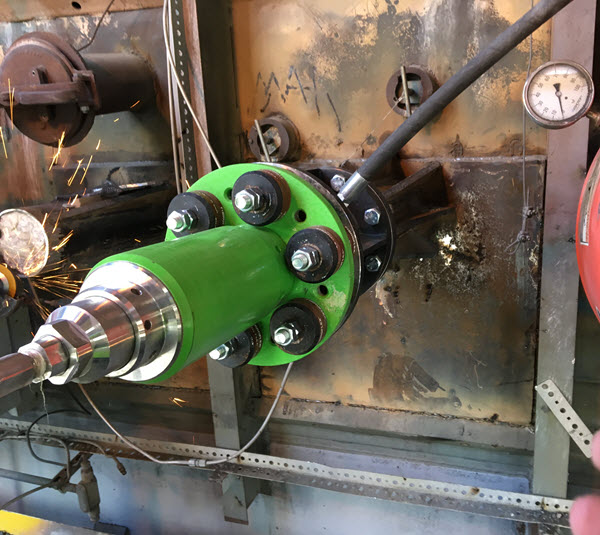
Air Impulse Generator
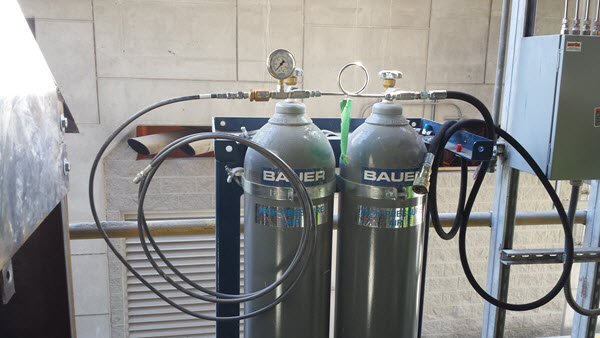
Air Tanks
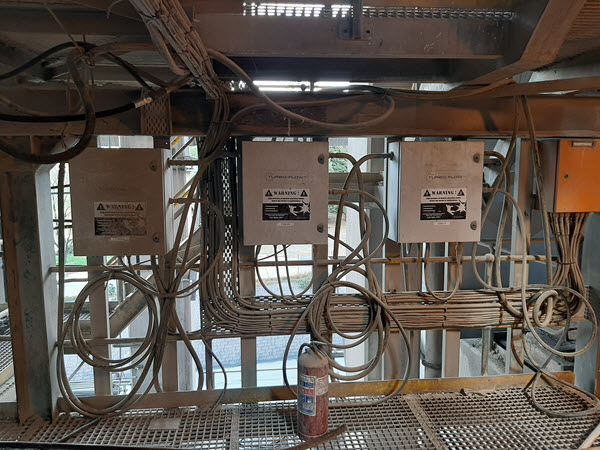
control panels
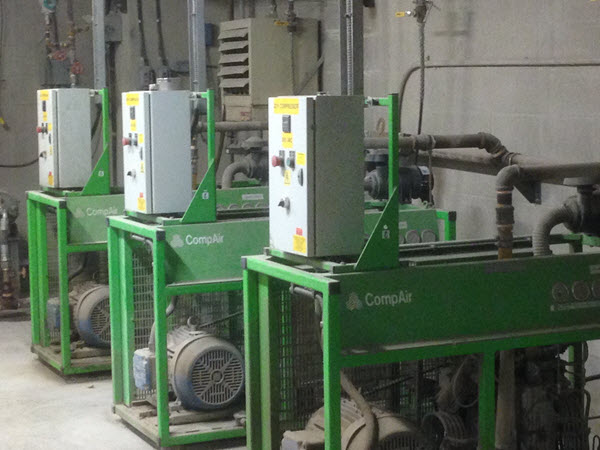
Dedicated High Pressure Compressor
Key Advantages
- High-pressure Repeated Impulse Action
- Suitable For Severe Material Flow
- Adjustable Operating Parameters
- Powerful Cleaning Effect With
- Relatively Few Devices
- Designed For Continuous Blockage
- Prevention And Emergency Clearing
- Local Or Remote Control Options
Technical Highlights
- Working Pressure Range: 20 To 300
- Bar (300 To 5000 Psi)
- Firing Frequency: 20-25/Min
- Air Volume: 3-10 Liters.
- Expected Maintenance Interval:
- 100,000 Fires Or Higher, Depending On Operating Conditions
Best Applications for Bulk-Material Flow Problemss
- Cement raw meal and clinker systems
- Coal and ash handling
- Aggregate and quarry bins
- Large bulk-storage vessels with recurring clogging
- Gypsum and synthetic gypsum storag
- Lime and mineral processing
- Ore bins and mining transfer points
- Heat exchangers of complex shape
Best Applications for Boiler Cleaning and Deposit Removal
- Furnace walls and high-heat zones
- Economizers
- Tube banks and convection sections
- Ducts, turns, and restricted gas passages
- Boiler passes and gas-flow paths
- Superheaters and reheaters
- Ash hoppers and hopper inlets
- Other deposit-prone boiler areas with ash, slag, or fouling buildup